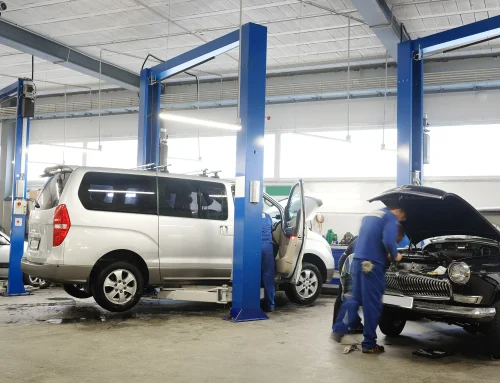
Running a plumbing business in Massachusetts means more than fixing leaks and installing pipes. Every job brings its own challenges, from working in older homes to navigating busy construction sites and responding to emergency service calls. Along the way, plumbers may face risks involving property damage, workplace injuries, stolen tools, vehicle accidents, and customer disputes.
That is why understanding the potential risks associated with the trade is an important part of running a successful plumbing business. The right insurance strategy may help Massachusetts plumbers prepare for unexpected events and protect the business they have worked hard to build.
At Scotti Insurance, we help business owners explore insurance options designed around the realities of their operations. While every plumbing business is different, understanding common exposures can be a useful first step when reviewing your business insurance needs.
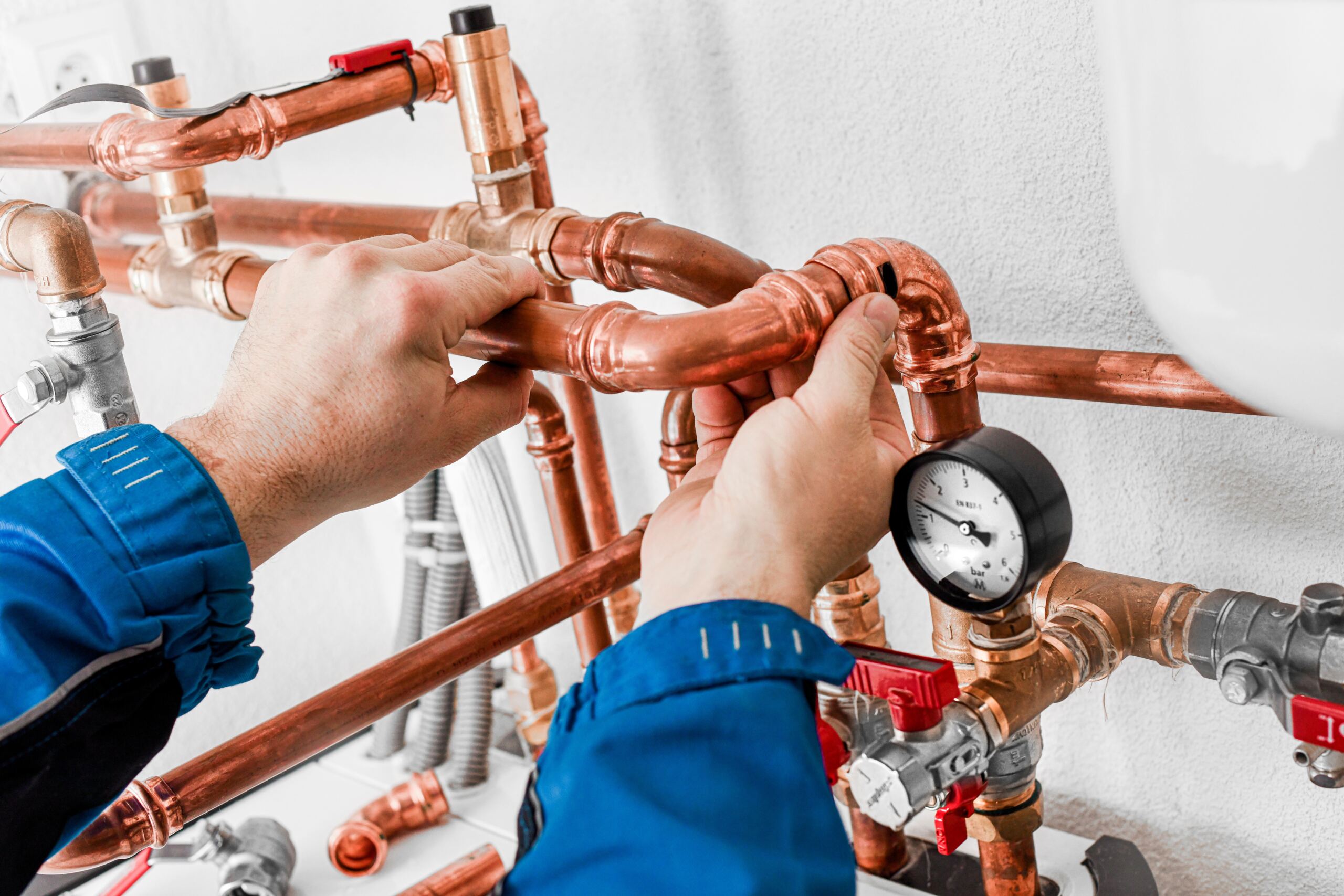
What Risks Do Massachusetts Plumbers Face On The Job?
Plumbing work can involve a wide range of risks. A small mistake or unexpected incident may potentially lead to expensive repairs, delays, or disputes.
For example, a plumber could accidentally damage a customer’s flooring while accessing a pipe. A fitting could fail after an installation. Water could escape into walls, ceilings, or finished areas of a property. On a construction project, an accident could affect another contractor or damage materials at the job site.
Massachusetts plumbers may also work in older buildings where hidden conditions can create additional challenges. Aging pipes, outdated wiring, structural issues, and difficult-to-access plumbing systems can all complicate a job.
Because the risks vary from one business to another, it can be helpful to review the specific services performed, locations served, equipment used, and employees involved when considering a business insurance program.
How Can A Plumbing Leak Become A Business Problem?
Water damage can develop quickly. A leak that appears minor at first may potentially cause damage to drywall, flooring, cabinets, electrical systems, or other property.
The circumstances surrounding the incident can also matter. A plumbing contractor may be working on a repair, replacement, renovation, or installation when something goes wrong. Customers may question the quality of the work, while property owners may seek compensation for resulting damage.
Business owners often benefit from understanding how their insurance program is designed to respond to different types of incidents. Insurance policies can vary significantly, and the applicable terms, conditions, exclusions, and limits may depend on the policy and circumstances of a claim.
A conversation with an experienced insurance professional may help a Massachusetts plumbing business identify potential gaps and consider options appropriate for its operations.
What Happens If A Customer Or Other Person Is Injured?
Plumbers often work in homes, offices, retail locations, apartment buildings, and construction environments. That means other people may be nearby while work is being performed.
A customer could trip over equipment or materials. Someone could be injured by an unexpected condition at a work site. A plumbing business could also become involved in a dispute involving alleged property damage or bodily injury.
These situations can create legal and financial concerns for a business. Depending on the circumstances and the policy involved, certain types of insurance may be relevant to claims involving third-party injuries or property damage. However, coverage is not automatic for every situation, and policy language can differ.
For Massachusetts plumbers, reviewing potential liability exposures with an insurance professional may be an important part of building a thoughtful risk management plan.
Could Your Tools And Equipment Be At Risk?
Tools are among the most important assets for many plumbing contractors. From pipe inspection equipment to power tools, specialty equipment, ladders, and hand tools, replacing damaged or stolen items can be costly.
Tools may be exposed to risks while stored in a vehicle, kept at a job site, transported between locations, or stored at a business premises. A theft from a work truck, for example, could potentially interrupt operations and create replacement expenses.
The way equipment is used and where it is located may affect how an insurance policy responds. Massachusetts plumbers may want to review their tools, equipment, storage practices, and business property with an insurance professional to better understand the options available for their specific circumstances.
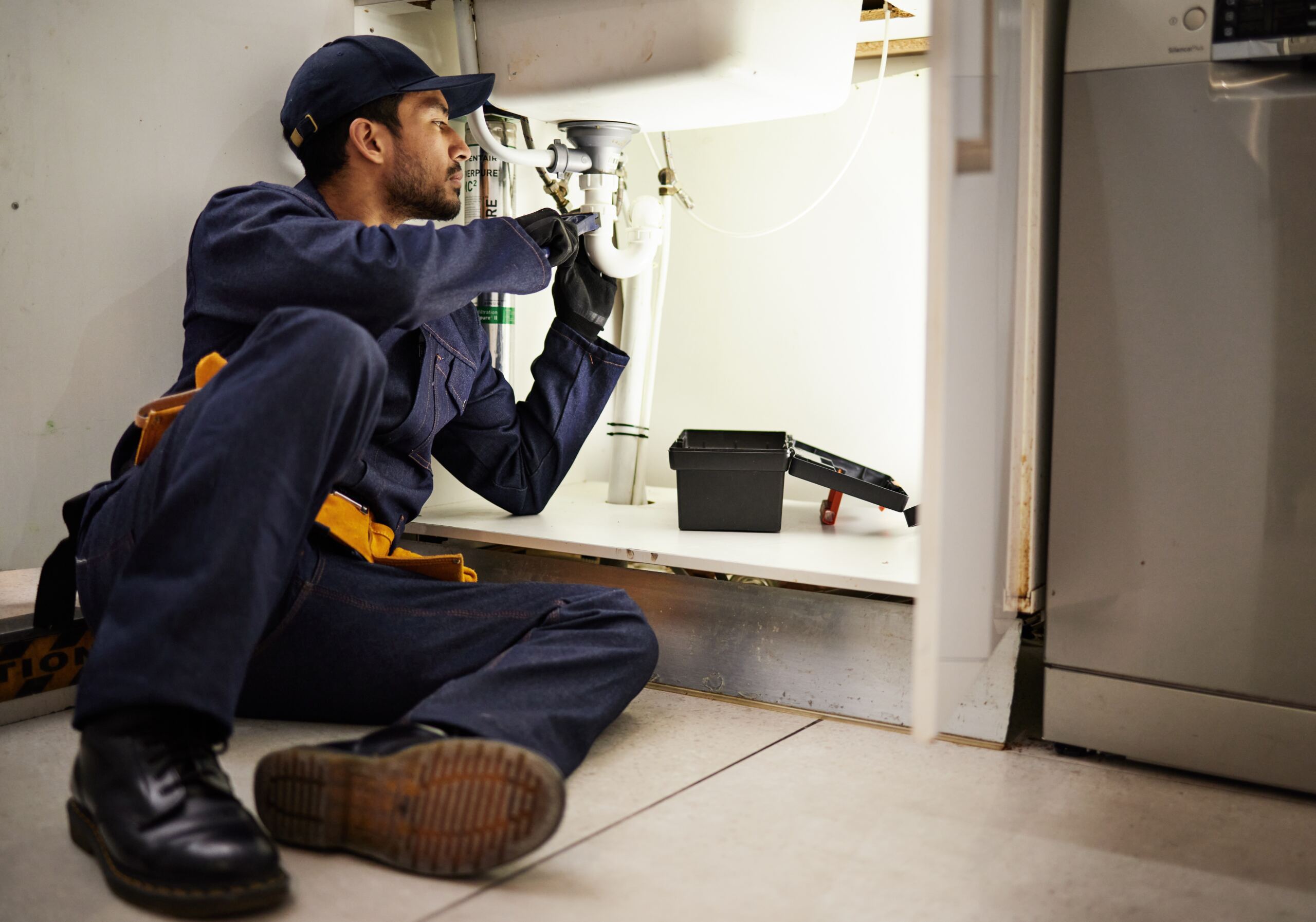
What Insurance Considerations Apply To Plumbing Vehicles in Massachusetts?
Many plumbing businesses rely on vans and trucks to transport employees, tools, materials, and equipment. These vehicles may be on the road throughout the day, often traveling between multiple job sites.
A collision can potentially cause damage to a vehicle, equipment, or other property. A business vehicle may also be involved in an accident that creates liability concerns.
Commercial auto insurance is one area Massachusetts plumbers may want to discuss when reviewing their overall business insurance needs. The appropriate insurance considerations can depend on factors such as vehicle ownership, how vehicles are used, who drives them, and what is transported.
Keeping driver information, vehicle details, and business use up to date can also be an important part of maintaining an accurate insurance program.
How Can Employee Injuries Affect A Plumbing Business?
Plumbing work can involve lifting, climbing, working in confined areas, handling tools, and performing physically demanding tasks. Employees may face risks associated with slips, falls, strains, cuts, and other workplace incidents.
Massachusetts employers should understand the workers’ compensation requirements that may apply to their businesses. Depending on the circumstances, other insurance and risk management considerations may also be relevant.
Creating clear workplace procedures, providing appropriate training, and maintaining a focus on job-site safety can help support a safer work environment. An insurance professional may also help business owners review how employee-related risks fit into a broader insurance strategy.
How Can Massachusetts Plumbers Prepare For Unexpected Claims?
Insurance is only one part of managing risk. Strong contracts, accurate records, job-site documentation, employee training, and consistent safety procedures may all help a plumbing business prepare for unexpected events.
It may also be useful to review an insurance program regularly. A business may change over time by adding employees, purchasing vehicles, expanding its service area, investing in new equipment, or taking on different types of projects. Those changes may affect the business’s insurance needs.
At Scotti Insurance, we work with Massachusetts business owners to help them evaluate insurance options based on their individual operations. We can help you consider the risks your plumbing business may face and discuss insurance solutions that may be appropriate for your situation.
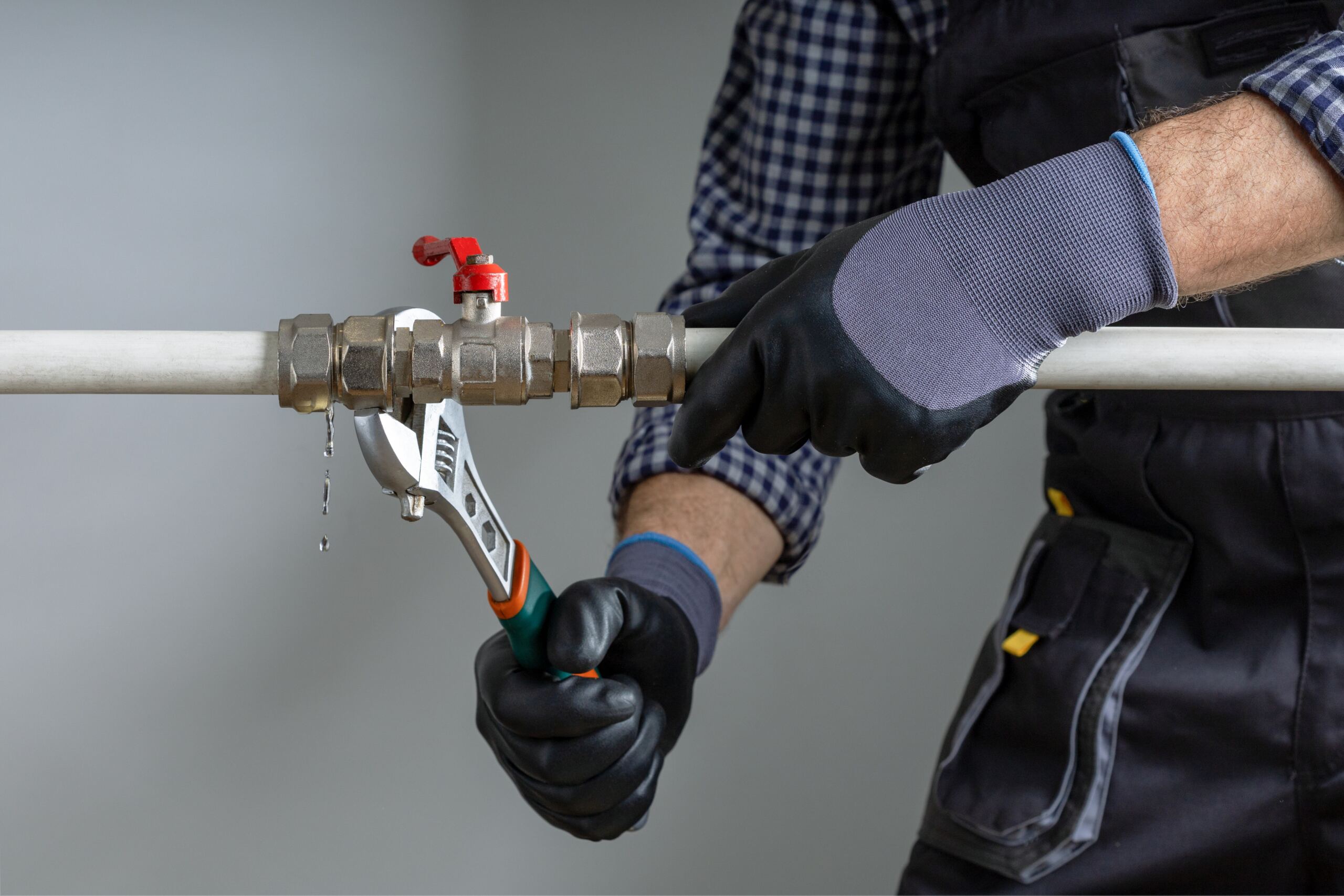
Are You Reviewing Your Plumbers Insurance Needs?
Leaks, damaged property, stolen tools, vehicle accidents, and workplace incidents are just some of the risks Massachusetts plumbers may encounter. While no business can predict every event, reviewing potential exposures can help business owners make more informed decisions about risk management and insurance.
If you own or operate a plumbing business in Massachusetts, Scotti Insurance can help you explore your plumbers insurance options. Contact us to discuss your business, the services you provide, and the insurance considerations that may be relevant to your operation.